
About me
O mnie
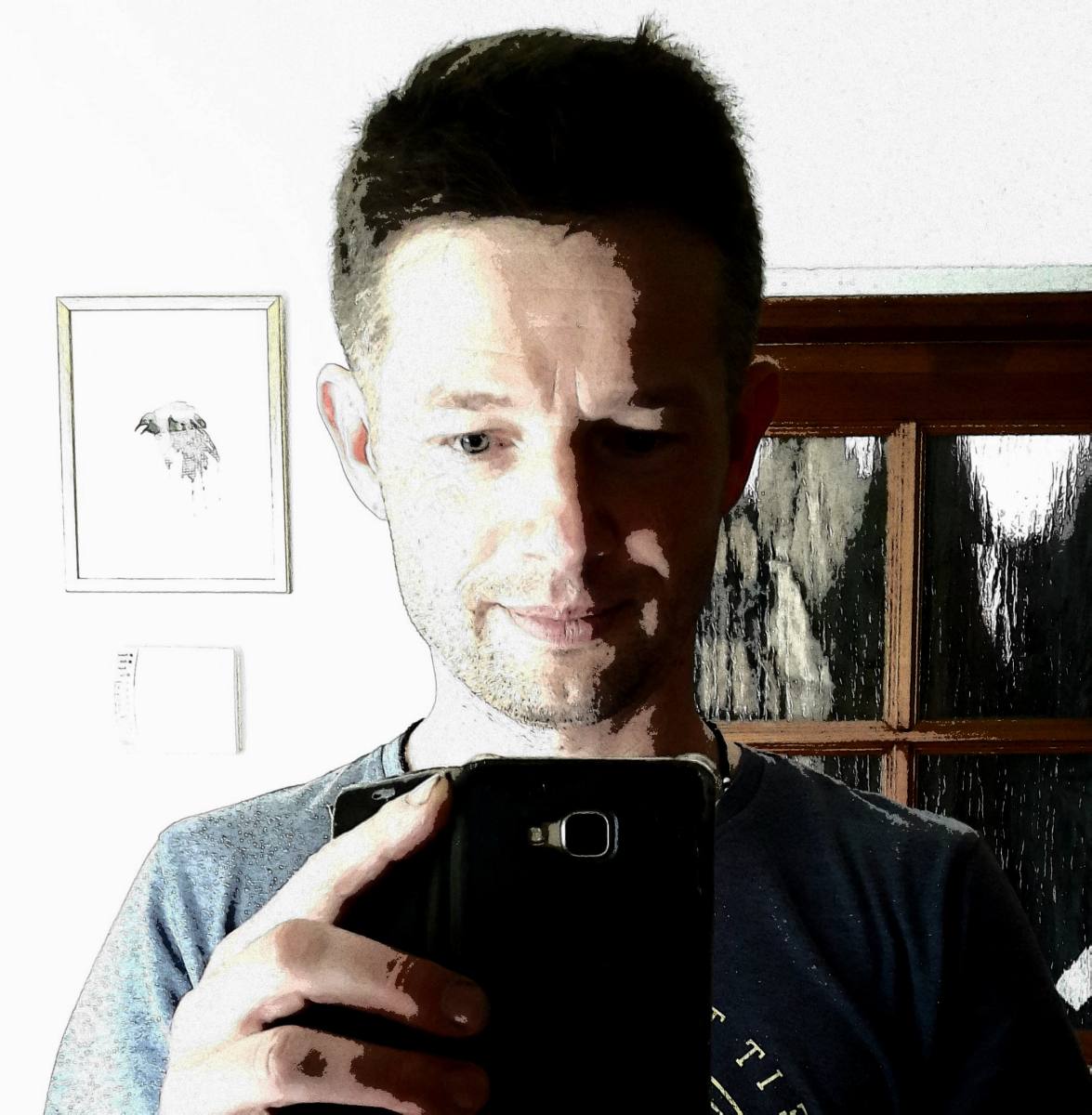
Zajmuję się rzeźbą od 1998 roku. Mogę powiedzieć o sobie, że jestem samoukiem, jednak początkiem mojej pasji było spotkanie, podczas studiów w Akademii Pedagogiki Specjalnej, z rzeźbiarzem i pedagogiem Jackiem Kozłowskim. Poświęcił mi wtedy wiele czasu i uwagi. To dzięki niemu zacząłem rzeźbić.
Inspiracją do mojej pracy jest właściwie wszystko, co mnie otacza. Jest jednak kilka szczególnie ważnych obszarów.
Jednym z nich są przypadkowe kształty, które dostrzegam w strukturze spękanych materiałów, plamach na różnych powierzchniach, cieniach czy układach linii nakładających się na siebie przedmiotów. Wywołują one w mojej głowie liczne skojarzenia, a niektóre z nich stają się początkiem nowych rzeźb.
Bywa też tak, że dostrzegam jakiś intrygujący przedmiot i zaczynam traktować go jako detal przyszłej rzeźby — fragment większej całości, do którego dopiero szukam reszty. W ten sposób do moich prac trafiają kształty i faktury owoców, warzyw, pestek, korzeni czy łodyg. Przenoszę je na wosk za pomocą silikonowych form albo zanurzam bezpośrednio w ciekłym wosku.
Moje oko nieustannie wypatruje także ciekawych faktur powstałych przypadkiem. Jedną z moich ulubionych zdjąłem z deski, na której przez wiele lat introligator ciął nożem papier. Korzystałem również z faktury naleśnika, dna wiadra z zaschniętą warstwą betonu, a nawet płyty głównej komputera.
Inspirują mnie także kształty pochodzące ze świata techniki: części maszyn, zębatki, sprężyny czy żarówki. Świat jest pełen interesujących rzeczy, które — niczym aktorzy — szukają dla siebie nowych ról. Niektóre odnajdują się w nich tak dobrze, że trudno później rozpoznać ich pierwotne pochodzenie.
Takie wykorzystywanie gotowych kształtów można nazwać kolażem albo recyklingiem form. Zestawiając je ze sobą, otrzymuję rezultaty, do których prawdopodobnie nie dotarłbym, zaczynając pracę całkowicie od zera.
W części swoich prac staram się uchwycić delikatność, lekkość, rozedrganie i ruch. Innym razem podążam w przeciwną stronę i szukam zwartej, mocnej bryły. Niektóre pomysły rodzą się wyłącznie z zabawy formą, inne z potrzeby opowiedzenia historii — i czasami właśnie historia staje się najważniejsza.
Lubię moment, w którym podczas pracy nad nową rzeźbą nic jeszcze nie jest oczywiste i wszystko zmierza w nieznanym kierunku. Z czasem forma zaczyna nabierać kształtu, którego wcześniej nie przewidywałem. Najbardziej cieszy mnie, kiedy udaje mi się zaskoczyć samego siebie.
Nie chcę być rzeźbiarzem jednej stylistyki. Nie interesuje mnie wielokrotne powielanie tej samej postaci w innych sytuacjach i pozach. Staram się szukać nowych sposobów rozwiązania problemu tułowia, nogi, dłoni czy ucha, nowych proporcji i nowych relacji pomiędzy poszczególnymi elementami.
To, co napisałem powyżej, dotyczy przede wszystkim inspiracji związanych z poszukiwaniem formy.
Innego rodzaju inspiracji dostarcza mi poszukiwanie tematów. Moje rzeźby często opowiadają historie, mówią o emocjach i relacjach pomiędzy ludźmi. Staję się wtedy trochę domorosłym psychologiem i obserwatorem próbującym wychwycić różne zależności.
Staram się wybierać tematy na tyle uniwersalne, aby były czytelne również dla innych i pozwalały im przejrzeć się w moich rzeźbach jak w lustrze. Mam nadzieję, że ludzie potrafią odnaleźć w moich pracach kawałek siebie.
Kiedy twórca dowiaduje się, że czasem rzeczywiście tak się dzieje, jest to dla niego szczególną nagrodą i zachętą do dalszych poszukiwań i pracy.
About me
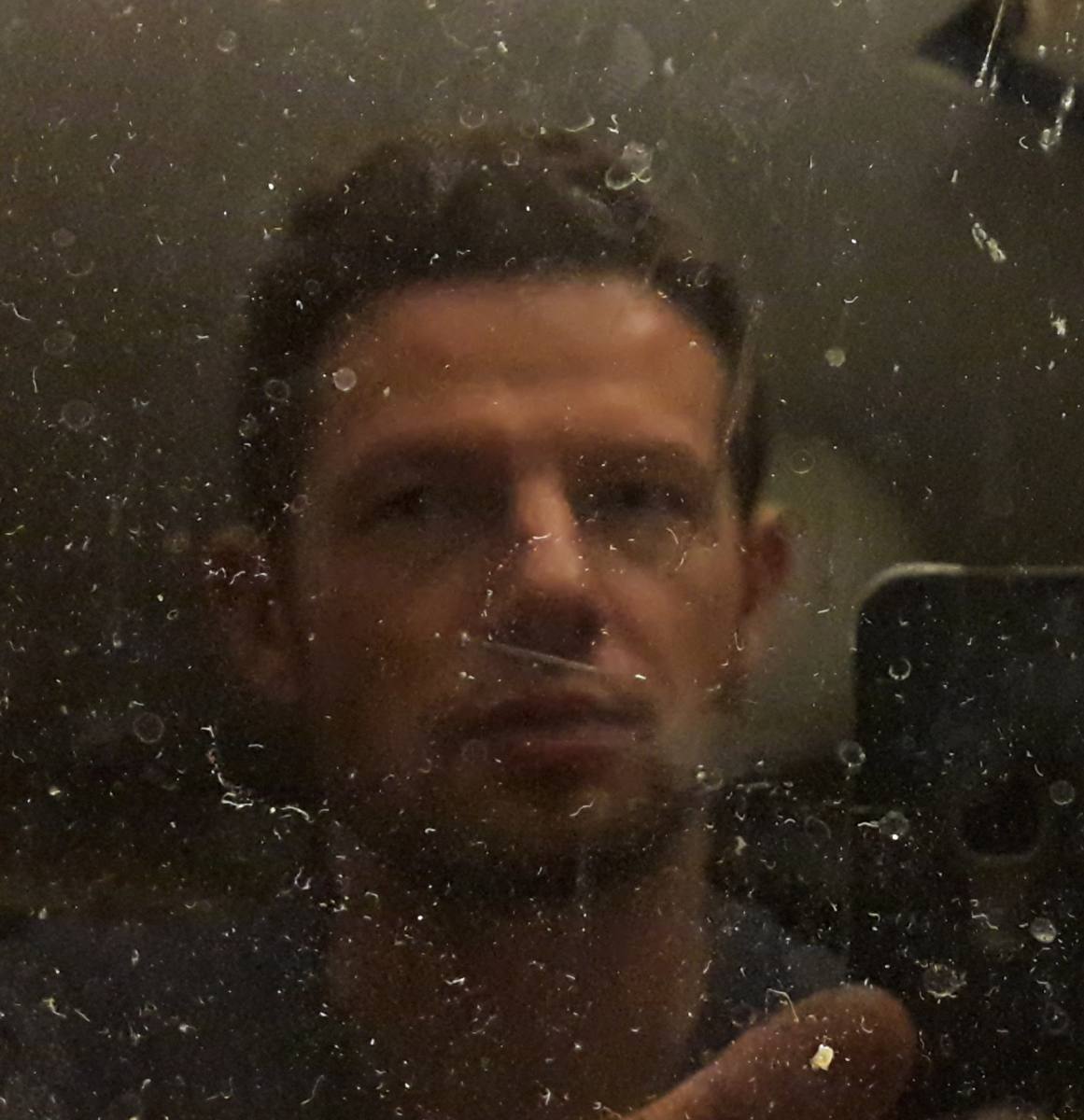
I have been sculpting since 1998. I consider myself largely self-taught, although the beginning of my passion for sculpture can be traced back to my time at the Academy of Special Education, where I met the sculptor and teacher Jacek Kozłowski. He devoted a great deal of his time and attention to me, and it was thanks to him that I began to sculpt.
My inspiration comes, in principle, from everything that surrounds me. There are, however, a few areas that are particularly important to my work.
One of them is the accidental shapes I notice in cracked materials, stains on different surfaces, shadows, and overlapping lines created by several objects. They trigger associations in my mind, and some of those associations become the starting point for new sculptures.
Sometimes I notice an intriguing object and begin to treat it as a detail of a future sculpture — a fragment of a larger whole for which I still need to find the remaining elements. This is how the shapes and textures of fruit, vegetables, seeds, roots and stems find their way into my work. I transfer them into wax using silicone moulds or dip them directly into liquid wax.
I am also constantly looking for interesting textures that have been created by chance. One of my favourites came from a board on which a bookbinder had been cutting paper with a knife for many years. I have also used the texture of a pancake, the bottom of a bucket with dried concrete on it, and even a computer motherboard.
I am equally inspired by forms from the world of technology: machine parts, gears, springs and light bulbs. The world is full of fascinating objects which, like actors, are waiting for new roles. Some adapt to those roles so naturally that their original identity becomes difficult to recognise.
This use of existing forms could be described as a kind of collage or recycling of shapes. By combining them, I often arrive at results that I would probably never have reached had I started entirely from scratch.
In some of my works I try to capture delicacy, lightness, vibration and movement. At other times I approach sculpture from the opposite direction and search for a compact, powerful solid form. Some ideas emerge purely from playing with form, while others come from the desire to tell a story — and sometimes the story itself becomes the most important element.
When I begin a new sculpture, I enjoy the stage at which nothing seems to work and everything is heading in an unknown direction. Gradually, a new form begins to emerge — often one that I had not anticipated. I am happiest when I manage to surprise myself.
I do not want to be a sculptor defined by a single style. I am not interested in repeatedly placing the same figure in different situations and poses. I try to find new ways of approaching the problem of a torso, a leg, a hand or an ear, and to discover new proportions and new relationships between forms.
Everything above concerns the search for form.
A different kind of inspiration appears when I search for subjects. My sculptures often tell stories and explore emotions and relationships between people. In those moments I become something of an amateur psychologist and observer, trying to notice the subtle connections between people and their behaviour.
I try to choose subjects that are universal enough to be understood by others, allowing viewers to see something of themselves reflected in my sculptures.
I hope that people can find a small part of themselves in my work. When an artist learns that this occasionally happens, that sense of understanding becomes a reward in itself — and an encouragement to continue searching and working.
Technika / Technique
Moje rzeźby powstają metodą traconego wosku. Najpierw modeluję rzeźbę w odpowiednio dobranej mieszaninie wosków. Gotowy model zostaje następnie otoczony masą formierską, z której w wysokiej temperaturze usuwa się wosk, tworząc formę do odlewu z brązu. Po odlaniu i wykończeniu powierzchni rzeźby przygotowuję patynę przy użyciu temperatury i odpowiednio dobranych środków chemicznych.
My sculptures are created using the lost-wax casting process. I first model the sculpture in a carefully selected mixture of waxes. The finished wax model is then enclosed in a mould material and removed at high temperature, leaving a cavity into which bronze can be cast. Once the bronze sculpture has been finished, I create its patina using heat and carefully selected chemical compounds.
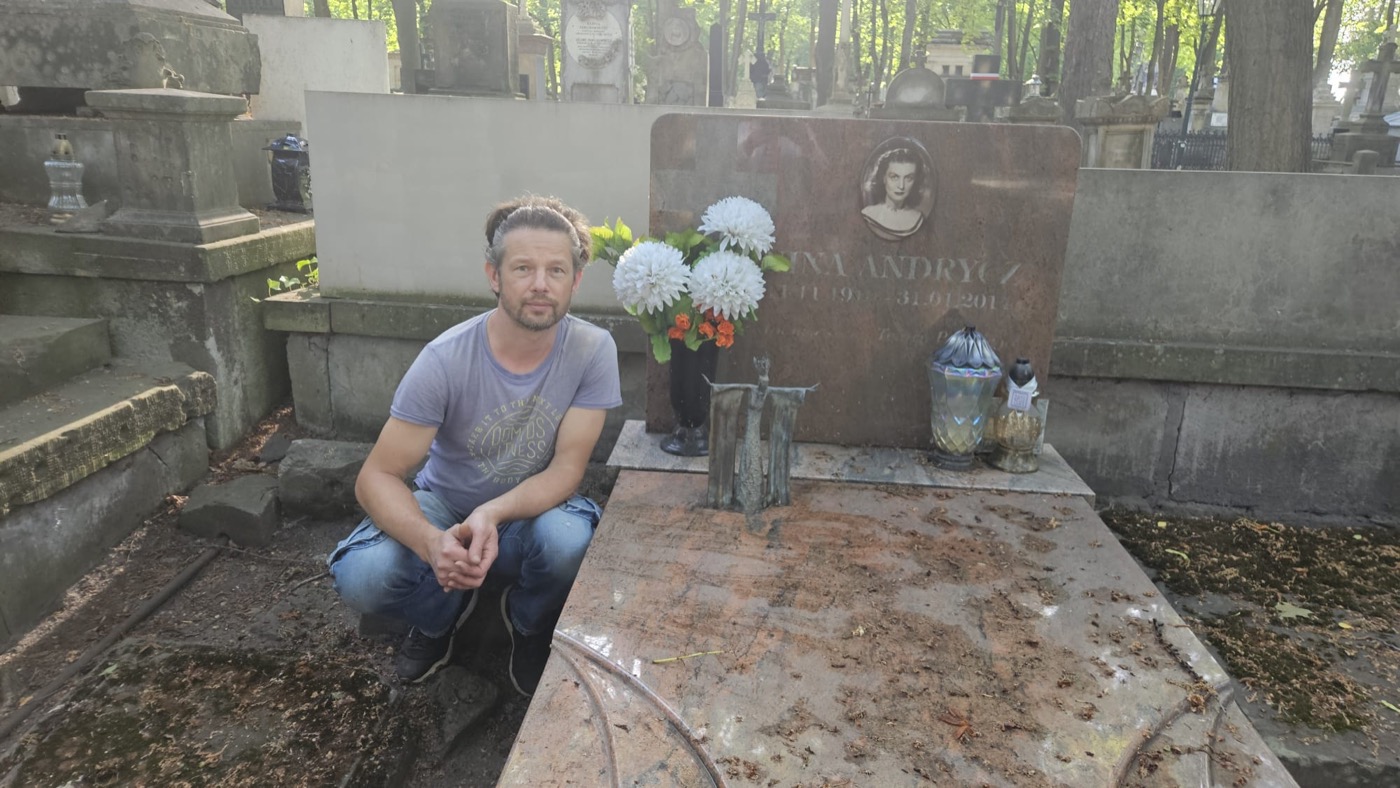
Dariusz Zieliński – autor rzeźby na grobie Niny Andrycz
Dariusz Zieliński jest autorem rzeźby znajdującej się na grobie Niny Andrycz na Starych Powązkach w Warszawie.
Nina Andrycz otrzymała rzeźbę autorstwa Dariusza Zielińskiego w 2009 roku od Związku Artystów Scen Polskich (ZASP), z okazji 75-lecia swojej pracy artystycznej. Zgodnie z życzeniem aktorki rzeźba została później umieszczona na jej płycie nagrobnej na Starych Powązkach.
Rzeźba przedstawia smukłą postać kobiecą w długiej sukni, z rozpostartymi ramionami. Z ramion opada szal przypominający teatralną kurtynę, tworząc symboliczną scenę i nawiązując do wieloletniej kariery Niny Andrycz.
Wystawy / Exhibitions (1998–2025)
- 1998 — WSPS, Warsaw, Poland
- 1999 — Gallery DK SBM Imielin, Warsaw, Poland
- 2000 — IX Sacred Art Biennale “Sacrum 2000”
- 2000 — Mazovia Region Centre of Culture and Art, Warsaw, Poland
- 2001 — Academy of Special Education, Warsaw, Poland
- 2003 — Ewa Walinska Gallery, Arnhem, Netherlands
- 2005 — Nizio Studio & Gallery, Warsaw, Poland
- 2006 — Studios and Gardens of Saska Kępa, Warsaw, Poland
- 2006 — Museo del Vetro, Italy
- 2007 — Gallery Steel Forest, Konstancin, Poland
- 2007 — Museum of Maria Curie-Skłodowska, Warsaw, Poland
- 2008 — Gallery Brauner, Copenhagen, Denmark
- 2008 — “Sonsbeek 10 Exhibition in Arnhem”, Netherlands
- 2008 — Artistes Contemporanis Salon, Geneva, Switzerland
- 2009 — Impulse International, Osnabrück, Germany
- 2009 — HanseArt, Lübeck, Germany
- 2009 — 4ème Salon Méditerranéen, Aix-en-Provence, France
- 2009 — Hotel Beau-Rivage Palace, Lausanne, Switzerland
- 2009 — HanseArt Bremen — Messe Centrum, Germany
- 2010 — 9ste Art Event, Antwerp Expo, Belgium
- 2010 — HanseArt Hamburg, Germany
- 2010 — 5ème Salon Méditerranéen, Aix-en-Provence, France
- 2010 — Art Event Antwerp Expo, Belgium
- 2010 — HanseArt Bremen, Germany
- 2011 — 6ème Salon Méditerranéen, Aix-en-Provence, France
- 2011 — 8th Exposition Internationale SyRo d’Art, Lautenbach-Zell, France
- 2011 — Gallery Habsoe, Bryrup, Denmark
- 2011 — HanseArt Kunstmesse, Bremen, Germany
- 2011 — Art & Living, Ahoy Rotterdam, Netherlands
- 2012 — Midtjyllands Kunst Center, Denmark
- 2012 — 9th Exposition Internationale SyRo d’Art, Lautenbach-Zell, France
- 2013 — Libr’Art, 27th Salon International d’Art Contemporain, Belgium — First Prize in the Sculpture Category
- 2015 — Ewa Walinska Gallery, Arnhem, Netherlands
- 2015 — 12th Exposition Internationale SyRo d’Art, Lautenbach-Zell, France
- 2015 — ADAF Amsterdam, Netherlands
- 2016 — Gallery Habsoe, Bryrup, Denmark
- 2017 — Midtjyllands Kunst Center, Denmark
- 2019 — Gallery Habsoe, Bryrup, Denmark
- 2022 — Stockholm Grand Antiques, Art & Design, Sweden
- 2023 — Gallery Mollbrinks, Stockholm Fair, Sweden
- 2025 — London Art Fair, United Kingdom